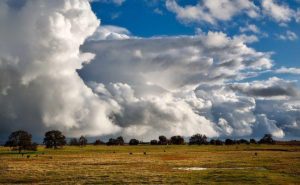
 Drought is one of those things that every cattle producer will have to deal with at some point. It ranks right up there with Death and Taxes. Just like those two though it is unavoidable it is also something that most producers find themselves unprepared for.
But what is drought? Drought is simply a deficiency in precipitation over an extended period of time and is a part of normal climate variability. The duration of a drought can vary widely from just a matter of weeks to months or even years. Although hurricanes and tornadoes are more dramatic droughts are among the most costly weather-related events.
Since these are slow-moving and don’t usually involve direct property damage we tend to underestimate the effects of drought. This is the wrong way to look at it as I mentioned above. A study done by FEMA back in 1995 concluded that droughts cost the United States an average of $6 to $8 billion per year.
Now that I have gotten you good and scared, sorry about that by the way, you may be asking yourself “How can I mitigate the effects that drought will have on my place?”. Well fear not, I have 5 tips here that you can follow to make the economic impact a little more bearable for you.
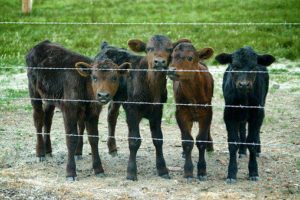 It is weaning time again out on the range. This is the time of year that you as a rancher get to see the fruits of your labor. Labors such as with your breeding programs. But that does beg the question about success.
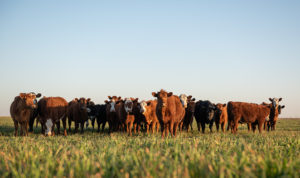 Having to feed supplements is necessary sometimes in cattle operations. That being said it is not something that most ranchers like to do. Feed costs remain the single largest expense for any cattle producer. The amount really depends on different things but it can easily be half of the total annual expenses.
 Looking out onto a field of perfectly rolled hay bales is a beautiful sight to see. It is even more impactful if you are the one that baled them. Can feel yourself filling with pride on a job well done.
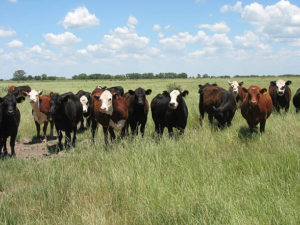 With summer arriving treating pinkeye is an issue, many cattle producers will face. As things get drier it means more dust which means an increase in eye irritants.
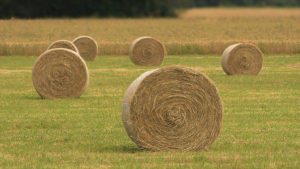 Hay is a very common sight in every cattle producer’s operation throughout the country. It is used during the winter to provide supplemental nutrition when forages are lacking. However, with the extremely dry conditions, we have been having lately getting hay bales is becoming harder and harder. With this difficulty producers are looking for ways to make their current supplies last longer.
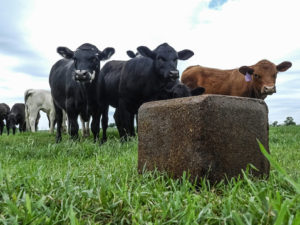
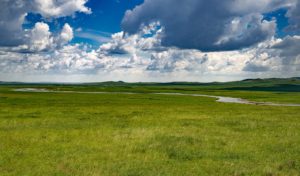 Maintaining your pasture during the summer can be very tricky. In no time at all, it can go from adequate moisture to extremely dry. A manager has to be on their game to keep their pasture from suffering too much.
 Having a good summer pasture management plan in place can save you a lot of headaches later on. It will give you a chance to put out any potential fires, not literally, before they can occur.