
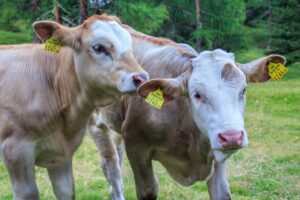
 You can feel it in the air; the days are getting shorter, and the weather is getting cooler (maybe). It will soon be the time that most producers do their fall processing. They will be running their cows through the chutes, and for any spring-born calves, they will be weaning them from their mommas.
Much like during the spring, this can be a hectic time for producers. With all of the doctoring and separating that is going on, it can take a lot of work to keep track of what is going on. However, there is a better time to slouch when it comes to your calf crop.
What you do here can determine the productivity of your fall calves. Calving will be stressful for them, so whatever you can do to alleviate as much of that as possible will be helpful. Here are five steps that you can follow to get your calves going in the right direction.
 Nutrition significantly affects your herd’s health during the cold winter months. In order to meet this need, producers should plan ahead when it comes to their fall and winter forages. There are many factors to consider when figuring out how much hay will be needed.
 What is the proper strategy to develop replacement heifers for my cowherd?
  Winter this year is going to be a rough time for producers. Worries about the continuing drought and how it has affected forage production have taken a large part of our thoughts. Because of this, there will be limited to no stored forage available to feed cattle this winter.
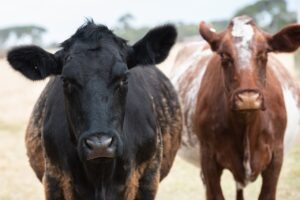 Early pregnancy detection with your herd is a tool that producers can use to increase profits. It is essential for a producer to know early if their replacement heifers or even cows are bred. Knowing this bit of information can save you a lot of money from wasting supplements for cows that are not producing.
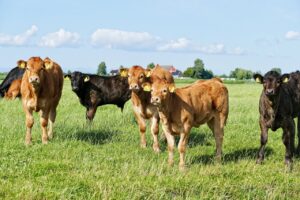 Shrinkage is a genuine concern when it comes time to sell your calves. This concern is because it is a reduction in the sales weight, which means a reduction in the price that you will get. Of course, some price adjustments are standard in order to compensate for varying shrinkage and gut fill.
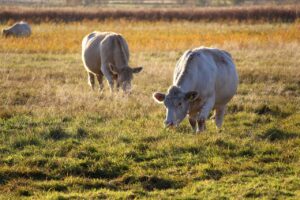 With fall and cooler weather right around the corner, giving your cows their best chance going into winter is essential. Good winter management practices contribute to healthy and productive cattle. It also plays a part in keeping feed costs reasonable.
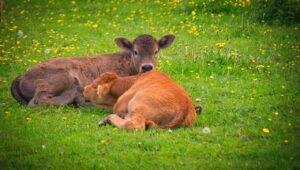 Getting calves to gain weight most efficiently is the goal of every cow/calf producer. Some producers have found that using a creep system is a way of achieving that goal. Regarding creep systems, there are two options: Creep grazing and creep feeding a concentrate supplement. Both methods have pros and cons, so it would be best for the producer to research what works for them.
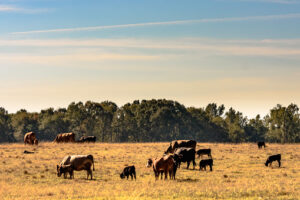 Destocking is a prevalent practice during a drought. Doing this is rarely easy to do and will still cost you most of the time. However, drought is a common consequence of ranching, so it will still need to be made. It is important to include plans for when droughts occur so producers are always prepared.
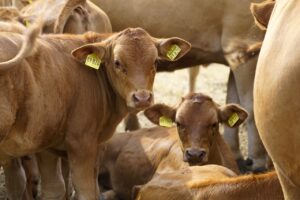 Having calves weaned early is often something that occurs during periods of low forage quality. Early weaning typically happens during extremely dry periods, such as what typically happens in many Western states. But what exactly does it mean to wean early?