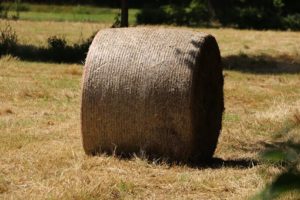
 Drought is a normal part of the livestock production cycle. Dealing with dry periods and decreased feed supplies should be part of an overall management plan. The time to be making a decision on this is not when all of the hay is gone.
To add insult to injury, this year has also seen commodity prices reach the highest it has ever been. Basic inputs like grain, fertilizer, and even fuel are getting terribly expensive. What makes it even scarier is that these prices do not appear to be going down anytime soon.
When forages seem to be gone, you may need to use hay substitutes in order to remain profitable. Picking which to go with can be a bit of a head-scratcher since there seems to be a ton of information out there. It can be difficult to pick which is right and which is, basically, nonsense. Here are some things that you may need to consider when looking at substituting your hay.

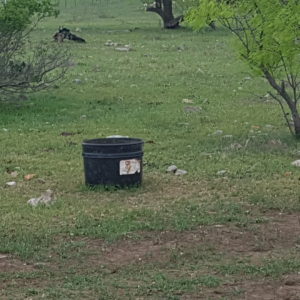 A protein tub is a very good way to provide extra nutrition when needed. One benefit is that once you have placed it in the pasture you don’t need to check it every day. This is helpful for those that may have a job back in town.
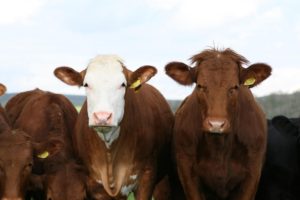 Using a mineral supplement is one of the most important yet overlooked parts of cattle management. Sure, we all are concerned with the amount of protein or energy they are getting but what about meeting their mineral needs?
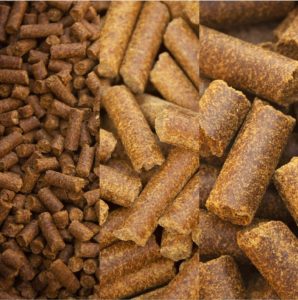 Providing feed supplements to cattle grazing in certain areas is pretty common and for good reason. Cattle are often not able to get enough nutrients from just rangelands to meet their nutritional requirements. Producers have many choices when it comes to feeding supplements.
 When it comes to ruminant nutrition most people think of things like crude protein, energy, and possibly mineral content. Although these factors are important, roughage intake can often be overlooked. A minimum amount of roughage is important to keep the rumen functioning as it should.
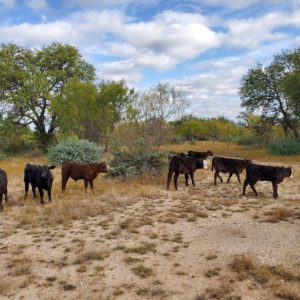 Creep feeding can be a very useful tool for producers raising young calves. Using this tool can both improve your overall bottom line as well as your profitability. Not to mention also helping calves in being more productive.
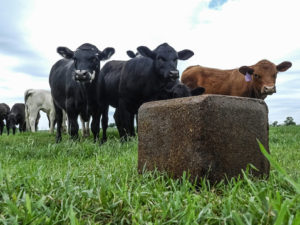
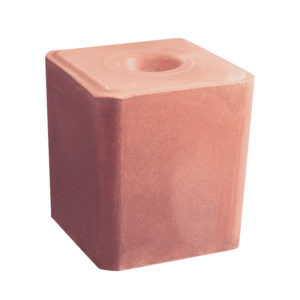 Salt blocks are available to producers in a variety of different colors. This is something any trip to your local feed store can tell you. Each color represents different things about it.