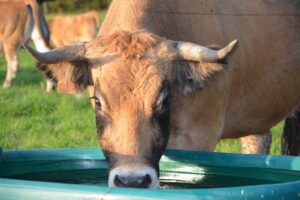
 Water, a fundamental element of life, plays a pivotal role in the daily existence of cattle. It is indispensable for growth, fetal development, lactation, and overall production. Despite its significance, water can often be overlooked by producers.
As a producer, your role in safeguarding the well-being of your cattle is not just important, it’s crucial. While protein, energy, and minerals may take the spotlight, it’s essential to recognize that water is equally vital. Your duty to provide sufficient, clean water is not merely a task, but a pivotal part of your cattle’s health and productivity.
Providing your herd with the right amount of water is not a simple task. It requires careful planning and a basic understanding of your cattle’s needs and habits. Your role in this process is crucial; it’s rewarding. Getting it right will ensure you maximize the benefits of this essential resource, leading to healthier and more productive cattle.
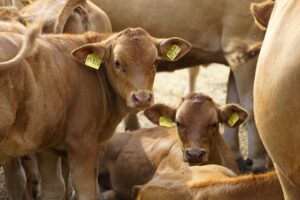 Summer pneumonia, sometimes referred to as pasture pneumonia, is a disease that is usually observed in calves on pasture late in summer. It can affect calves from one month old to even five months old who have yet to be weaned. The issue with this disease is that little is known about it, and it can pop up from nowhere.
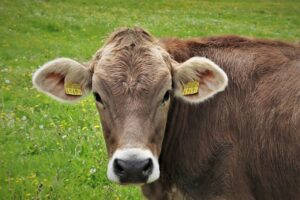 As a rancher, your role in the weaning process is not just crucial, it’s the linchpin of success. This is the time of year when you start to see the tangible results of your hard work, such as your breeding programs. The success of the weaning process, however, is still a question that lingers, and it’s in your hands to answer it.
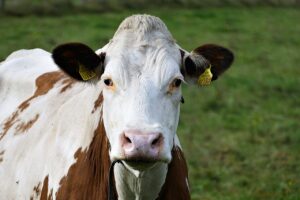 While the necessity of feeding supplements in cattle operations is undeniable, it’s not a task that most ranchers relish. As we all know, feed costs can be a significant financial burden, often constituting the most considerable portion of annual expenses. However, by implementing strategies to reduce these costs, such as optimizing forage production and minimizing hay waste, you can save a substantial amount. This not only eases the financial strain but also significantly improves your operation’s overall profitability.
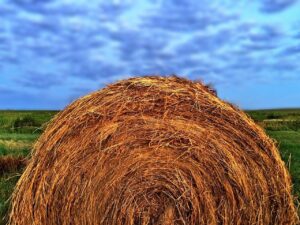 Looking out onto a field of perfectly rolled hay bales is not just a beautiful sight; it’s a testament to your hard work and expertise. The feeling of pride and accomplishment that comes from baling them yourself is truly unmatched.
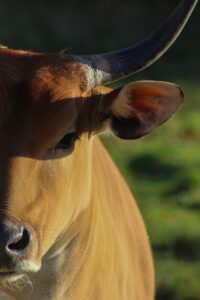 With summer arriving, treating pinkeye is an issue many cattle producers will face. As conditions get drier, dust levels rise, increasing eye irritants that can lead to this painful infection. Pinkeye doesn’t just affect the health of your cattle; it has a significant economic impact as well. Each year, pinkeye costs the cattle industry approximately $150 million due to decreased weight gain, reduced milk production, and the expenses associated with treatment.
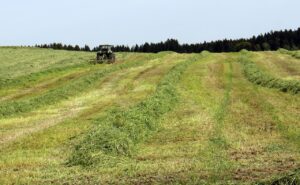 Hay bale storage, a vital aspect of cattle production, takes center stage, particularly in winter when natural forages are scarce. The staggering 4.6 million acres of hay harvested in Texas in 2023 underscore the pivotal role of hay production in sustaining livestock operations. However, when drought conditions worsen, the challenge of acquiring sufficient hay bales intensifies, making it crucial for producers to optimize their hay storage practices. This ensures the longevity and nutritional value of their hay supply, a key factor in maintaining a reliable source of supplemental nutrition for their livestock.
 Protein tubs have been gaining popularity here lately with producers of all sizes. People who use them appreciate the convenience of having a supplement designed to be self-fed in the pasture. This not only provides balanced nutrition but also eliminates the need for extra labor, giving you more time to focus on other aspects of cattle management.
 When it comes to mineral supplements, people tend to focus only on either spring or fall. During these times of the year, cattle go through their highest demands. But even though that is the case, you should still pay attention to your cows’ mineral needs during the rest of the year.
 Maintaining your pasture during the summer is a crucial task that requires your diligent attention. In a matter of minutes, it can transition from adequate moisture to extremely dry. As a manager, your role is pivotal in preventing your pasture from suffering too much.