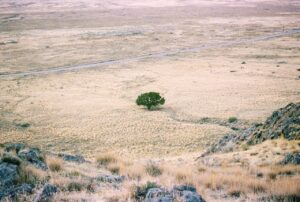
 Drought can be devastating. Forages stop producing, making it difficult for ranchers to make food. Drought can make things seem bleak.
With all this difficulty, it can be easy to fall into a ‘survival’ mode during this time. This mode often involves taking extreme measures such as selling off a large portion of your herd or drastically reducing feed, just hoping that things will turn better. This ‘survival‘ mode is a state of mind where the immediate crisis takes precedence over long-term planning, and the focus is on short-term survival. However, these measures can lead to long-term adverse effects on your operation. But what if I told you there was a different option?
While you may be unable to stop drought from happening, all is not lost. The one thing to remember is that eventually, the rains will come back, so you will need to look ahead. There are things that you can do during this time to ensure that your pasture will bounce back once the rain does return; here are some things that you can do in the meantime:
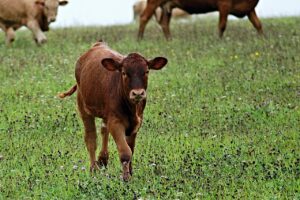 Every cow/calf producer aspires for calves to gain weight efficiently. Some producers have discovered that a creep system, particularly creep grazing, is a promising way to achieve this goal. Creep grazing, in particular, has the potential to significantly increase calf weight gain, offering a ray of hope for producers. It’s important to note that both methods, creep grazing and creep feeding a concentrate supplement, have their own set of advantages and disadvantages. Hence, it’s crucial for the producer to research and choose the method that best suits their needs.
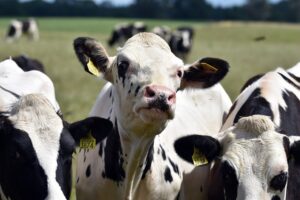 Destocking is a prevalent practice during a drought. It is rarely easy and will still cost you most of the time. However, drought is a common consequence of ranching, so it will still need to be done. It is important to include plans for when droughts occur so producers are always prepared.
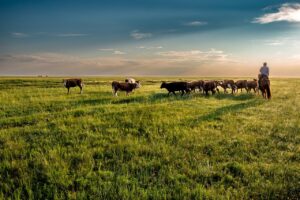 Having calves weaned early is often something that occurs during periods of low forage quality. Early weaning typically happens during extremely dry periods, such as what typically happens in many Western states. But what exactly does it mean to wean early?
 Gut health, often overlooked but crucial, is a vital component of a successful operation. While most people have a basic understanding of its role in nutrient absorption, there’s much more to it. As producers, fully grasping the concept and the factors that influence it can empower us to make informed decisions for our cattle’s well-being.
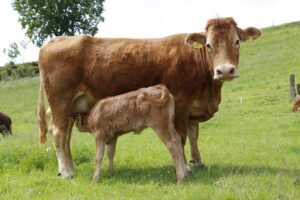 The breeding season places significant demands on our cows, who play a crucial role in this process. They are not just animals in our operation but critical contributors to our success. During this time, they are expected to provide adequate nutrition for their calf and allow their bodies to recover from giving birth. Then, they are expected to return to estrus just before they are bred again. All of this is likely to occur within 90 days after calving to maintain a yearly calving interval. This cycle is essential for our operation’s success.
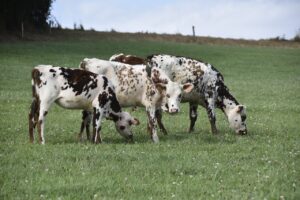 Trichomoniasis, or Trich for short, is not just a disease; it’s a severe economic problem for cattle producers. It impacts your bottom line significantly, leading to a reduced calf crop and lower weaning weights. This disease can render your breeding cows infertile and potentially extend your breeding season, causing substantial financial losses.
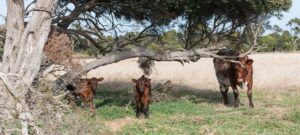 The weaning process, a pivotal period in the cattle business, is upon us once again. As any seasoned rancher will attest, it can be both magical and challenging. Weaning, a shared experience that can be stressful for both the cattle and the rancher, is a crucial step in the journey of cattle rearing.
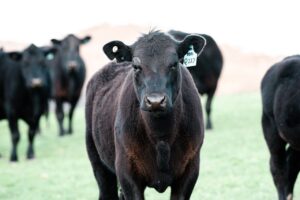 The threat of drought in any year is a real problem for most of the country. Many of us have sometimes seen severely less than average rainfall, which can strain our businesses. The most frustrating thing about it is that drought is one of the few things we, humans, have no control over.
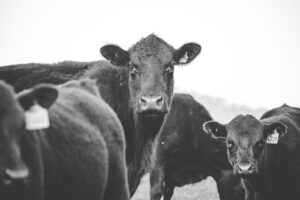 Internal parasites are a problem that every beef producer must face. They are a constant annoyance that can rob a beef operation of its productivity. They impair production by increasing maintenance energy costs, diet digestibility, and immune activity.