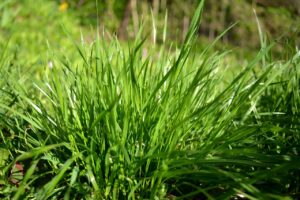
 Spring is almost around the corner. The temperatures will soon rise, and the grass will begin to grow again. For most people, pasture management comes to mind when temperatures rise, but that is not necessarily the case. It is vital to get a start on it now.
It is never too early to develop a plan for preparing your pastures for spring. Starting now can give you enough time to get everything you need to make it work. Also, springtime can be a very hectic time for most producers, with the calving season kicking into high gear, so it is good to get started now.
The preparation you do now can set you up for success all year long. Here are five things you can do to get your pasture started in the right direction.
 Roughages are an essential but often overlooked part of a cow’s diet. Most of the time, people only focus on things like crude protein, energy, and possibly even mineral content. While those are vital for the overall production of cattle, roughages play just as important a role. Consuming a certain amount of roughage is essential to keep the rumen functioning, thus allowing the digestion of things like protein, energy, and minerals.
 Creep feeding can be an excellent tool for improving the overall weaning weight of your calves. Thus, it can be a good management and economical option for improving your bottom line.
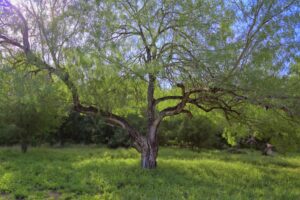 Mesquite trees are the most popular “
 Salt blocks are available to producers in a variety of different colors. This variety is something any trip to your local feed store can tell you. Each color represents different situations in which they are needed.
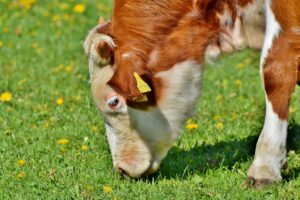 It may not seem like it now, but spring weather will be here before you know it. All of the ice and snow (
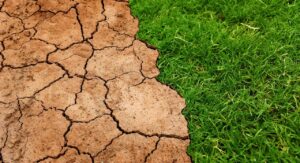 A soil test can be a very effective tool in a producer’s toolbox. It can tell you the kind of nutrients that are available and the amounts that are present. Really, it is the foundation of any plan to improve the output of your pastures.
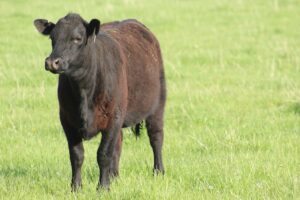 Having suitable replacement heifers is vital for the long-term profitability of any ranch. It is necessary to be able to rotate the breeding stock out to improve the overall genetic gene pool. Also, cows will get to a point where they will be too old to breed anymore. When this happens, you must have new stock ready to take their place.
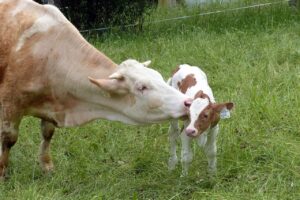 Knowing when to assist with calving can be a very tricky matter. It requires a delicate balance between not acting too quickly and not reacting too late. Finding this balance requires a lot of experience and a little bit of luck.
 A feed tag is a very informative but often overlooked item on a commercially produced feed. Other than looking at the Crude protein or the energy content, not many people really look at them. With some of the confusing numbers and such listed on them, it is understandable how that can happen.