 Calf scours is something that is concerning for all cow/calf producers. It causes more financial loss to producers than any other health problem in their herd. It can come out of nowhere and spread throughout your herd much like wildfire. The main issue with this disease is that it can be confusing for some people.
The trouble with calf scours is that it is not a single disease that causes it. Instead, it is a clinical sign that is associated with several diseases. Despite its many causes, one common sign is your calves having diarrhea. Regardless of what is causing it, diarrhea prevents the absorption of fluids in the intestines. Because of this, the onset of calf scours is very serious.
As any producer will tell you, it is severe. Calf scours is the primary cause of death in calves from 2 to 30 days of age. However, despite the seriousness of this disease, it is relatively treatable. The leading cause of death from this disease is dehydration from fluid loss. Let us look at ways to treat and prevent calf scours from taking their toll on your calf herd.
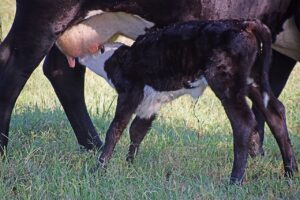 Colostrum is one of, if not the most critical thing for newborn calves. It lays the very foundation for their health and well-being throughout the remainder of their life. Through the dam, the calf takes in all the antibodies needed to fight off disease. But what if they are not able to get it from their mother?
 A good pasture is the foundation of any profitable livestock operation. It provides the forages needed not only to sustain but also to allow the livestock to grow. Having enough forages for all of the animals is essential to keep your feed costs down to a manageable level. However, keeping a pasture at this level can be complicated.
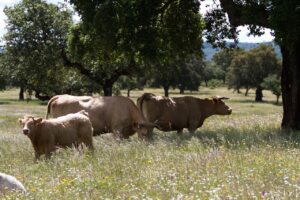 Producers tend to have a love/hate relationship regarding supplements. On the one hand, they love how it improves the performance of their cattle, but on the other hand, they hate that it adds to their expenses. It is for this reason that producers tend only to feed supplements if they absolutely have to.
 A new year is approaching for the cattle industry. Though we have had our issues this past year, like the current market, new opportunities are bound to return. It may not look like it, but there are always positives to be found if you know how to look, even in our yoyo industry.
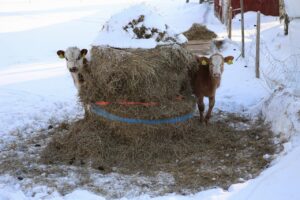 As sure as the turning of the world being in winter means having to buy feed. The reason for that is that during this time, forages go dormant and provide less for animals. Though they do not like it, producers must buy supplements to feed their animals during this time.
 Winter is finally here, though here in Texas, it doesn’t feel like it too much. But with this time of year, producers will put hay out to feed their animals. Depending on how you get it, hay is typically one of the cheaper options when it comes to supplements.
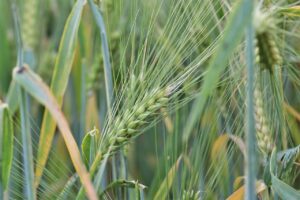 A wheat pasture is a valuable resource for many cattle operations. This plant is a valuable source of high-quality forage when most other forages are low in quantity and quality. The unique climate in the Southern plains, like here in Texas, can allow producers to use wheat as both a forage and a grain crop. This dual purpose can potentially increase the overall profitability of many operations.
 Like any other business, cattle producers are always looking for ways to reduce costs. As any producer will tell you, there is no more significant expense than feed costs. A management tool used quite often to regulate feed intake is using salt. Though it can have some impact, controlling feed intake with salt is not precise and will require some tinkering in order to get it right.
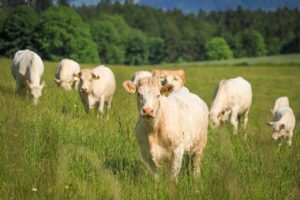 When people think about tetany, they think of something that happens only during the spring. It’s something that usually occurs when cattle are eating lush spring grass or annual cereal forages. However, it can also happen when cattle are fed harvested forages like silage or hay.