 Protein supplements are often needed during the fall and winter months. This need is because, during this time, most of your tame pasture forages go into dormancy. When this happens, things like their protein content will go down.
Maintaining an adequate protein level in the diet is vital for your cattle. It is needed to keep the optimal function of rumen microbes. These microbes are what break down the complex carbohydrates that are found in dry forage. With this optimal protein level, the rumen can adequately digest poor-quality forages.
When it comes to developing a cost-effective supplement program, there are two things to identify. The first is to identify the nutrients or nutrients that are limited. The next thing to know is how to provide that supplementation at the lowest cost possible. There are many options that you can go with when it comes to supplements, including using protein tubs for your animals.
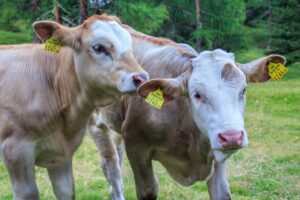 You can feel it in the air; the days are getting shorter, and the weather is getting cooler (maybe). It will soon be the time that most producers do their fall processing. They will be running their cows through the chutes, and for any spring-born calves, they will be weaning them from their mommas.
 Nutrition significantly affects your herd’s health during the cold winter months. In order to meet this need, producers should plan ahead when it comes to their fall and winter forages. There are many factors to consider when figuring out how much hay will be needed.
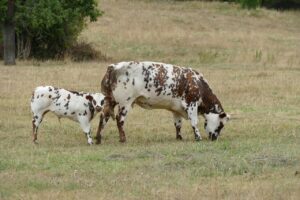 Nutrition is one of those things that is essential year-round. Everything hinges on the cow’s nutritional needs being met, from just putting on weight for the market to reentering the reproduction cycle. However, meeting these demands can be complicated.
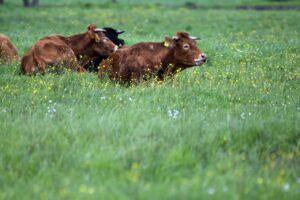 What is the proper strategy to develop replacement heifers for my cowherd?
 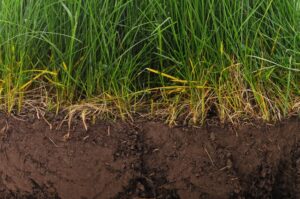 Performing a soil test is one of the most underutilized range management tools. Knowing your soil’s fertility and what nutrients are provided is crucial. Often, producers just put out the same fertilizer they always have and hope for the best.
 Winter this year is going to be a rough time for producers. Worries about the continuing drought and how it has affected forage production have taken a large part of our thoughts. Because of this, there will be limited to no stored forage available to feed cattle this winter.
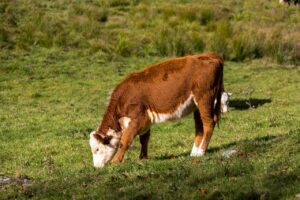 The fall season can be problematic for a beef producer. As you go into it after a dry, hot summer, the entire herd may be stressed. The combination of high heat, short grass, and low water tanks can stress cattle and make them more prone to disease.
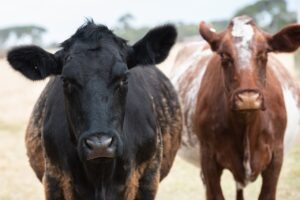 Early pregnancy detection with your herd is a tool that producers can use to increase profits. It is essential for a producer to know early if their replacement heifers or even cows are bred. Knowing this bit of information can save you a lot of money from wasting supplements for cows that are not producing.
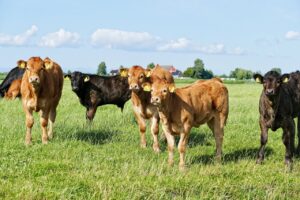 Shrinkage is a genuine concern when it comes time to sell your calves. This concern is because it is a reduction in the sales weight, which means a reduction in the price that you will get. Of course, some price adjustments are standard in order to compensate for varying shrinkage and gut fill.