 Formulating a ration for cattle is critical to any successful beef operation. There are times when forages alone will not supply what the cows need for the stage they are in. When it comes that time, you will need to provide a supplement that will fill in the gaps to keep them producing.
Supplements are typically the most significant on-farm expense producers will have all year. Most estimates have it at around 70% of the yearly costs. Some may think the lowest price is the way to go, but that is not usually the best answer. With that high of an expense, it is in your best interest to have your feed be as efficient as possible. Going with the lowest cost could cost you more in the long run.
In order to make it as efficient as possible, you will need to balance both costs and performance. Getting the feed ration right is a delicate balance of providing the best quality and the lowest price possible. When you get the ration right, you are setting your cattle up for success. Here are some things to consider when building your next cattle ration.
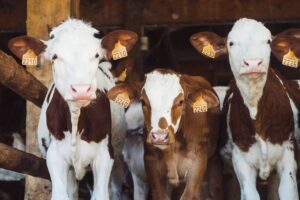 A breeder is an essential part of the future of the cattle industry. The products they make, i.e., calves, can determine the genetic potential of a beef herd. This genetic potential is why it is vital to do business with a reputable one.
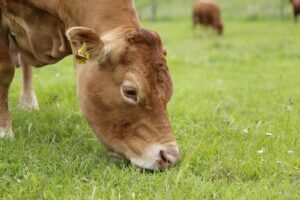 Roughages are an essential but often overlooked part of a cow’s diet. Most of the time, people only focus on things like crude protein, energy, and mineral content. While those are vital for the overall production of cattle, roughages play just as important a role. Consuming a certain amount of roughage is essential to keep the rumen functioning and allow the digestion of things like protein, energy, and minerals.
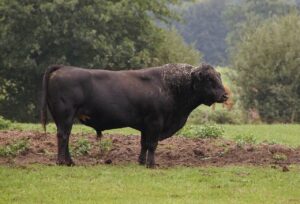 The bulls in your herd need as much care and attention during this time of year as your cows. You must take steps during this time to ensure they are ready for the next breeding season. It is always a good idea to get started now so you will have plenty of time to make adjustments.
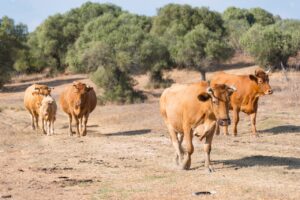 Dietary minerals are necessary for optimal growth and reproduction. The amount needed depends on forage mineral content, the animal’s age, and the production stage. Just knowing what the cow requires is only 1 component in evaluating its mineral status. Even the soil type, fertilizer used, and rainfall can affect what mineral is available at a particular time.
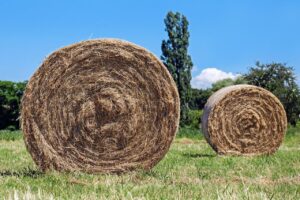 Hay is an essential part of any winter feeding program. It is used to supplement cattle’s nutritional needs when forages become dormant. However, when it comes to feeding harvested forages, you need to know what you have in order to understand what to provide.
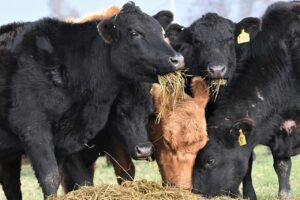 Deciding which cows to cull is a challenging task for most producers. Sometimes, their personal feelings about that particular animal get in the way. There are even sometimes, they need to know which ones are underperforming and which ones need to be kept.
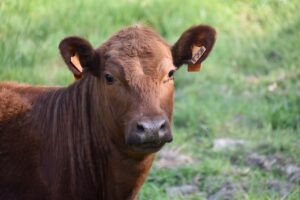 Heifer development can be one of the most challenging yet rewarding tasks on the ranch. The very basis of your future depends on your ability to develop the young heifers into productive mothers. But these challenges do not come without problems.
 Grazing management in the fall can have an impact on your future forage production. The intensity of your grazing animals determines what state they will be in. Also, grazing during the winter may be limited depending on what forages you have available.
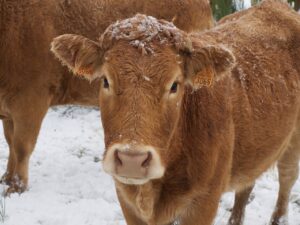 It may not seem like it now, but winter is on its way. The change in seasons also brings new problems to deal with to keep your cattle performing at their best. Keeping your cattle healthy during the stress of colder winter temperatures can be a pain in the neck. It is also doable.