
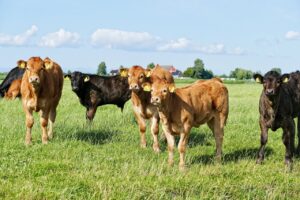
 It is weaning time again out on the range. Weaning is the time of year when you, as a rancher, see the fruits of your labor. Labors, such as with your breeding programs. But that does beg the question about success.
What does success or failure mean when it comes to weaning? That is a tricky question to answer because different people have different answers to this. It is up to the individual and their production goals to determine what is a successful weaning.
There may be different ideas on how to wean your calves, but the goal is still the same. You want to wean every calf you have with the minimum loss to your crop. It would be best to get your calves started off on the right foot to accomplish this.
Starting your calves off right is one of the most important things that you can do. Doing so will ensure that calf’s lifelong production success. The first 30-45 days after weaning are the most stressful in that calf’s life. In order to make it as smooth as possible with their transition, you will need to avoid three common problems.
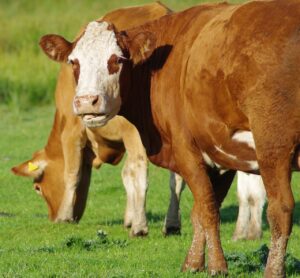 Having to feed supplements is sometimes necessary for cattle operations. That being said, it is something other than what most ranchers like to do. Feed costs remain the single most considerable expense for any cattle producer. The amount really depends on different things, but it can easily be half of the total annual expenses.
 Looking out onto a field of perfectly rolled hay bales is a beautiful sight to see. It is even more impactful if you are the one that baled them. You can feel yourself filled with pride in a job well done.
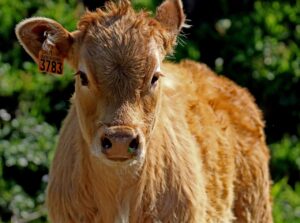 With summer arriving, treating pinkeye is an issue many cattle producers will face. As things get drier, it means more dust which means an increase in eye irritants.
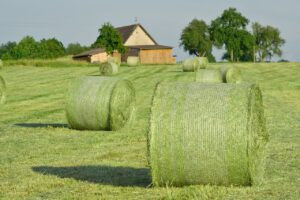 Hay is a very common sight in every cattle producer’s operation throughout the country. It is used during the winter to provide supplemental nutrition when forages are lacking. However, with the extremely dry conditions we have been having lately, getting hay bales is becoming harder and harder. With this difficulty, producers are looking for ways to make their current supplies last longer.
 Protein tubs have been gaining popularity here lately with producers of all sizes. People who use them like the convenience of having a supplement designed to be self-fed in the pasture. They can deliver supplemented nutrients that do not require extra labor.
 When it comes to mineral supplements, people tend to focus only on either spring or fall. During these times of the year, cattle go through their highest demands. But even though that is the case, you should still pay attention to your cows’ mineral needs during the rest of the year.
 Maintaining your pasture during the summer can take much work. It can go from adequate moisture to extremely dry in no time. Managers must be on their game to keep their pasture from suffering too much.
 Having a good summer pasture management plan in place can save you many headaches later on. It will allow you to put out any potential fires, not literally, before they can occur.
 A protein tub is an excellent way to provide extra nutrition when needed. One benefit is that once you place it in the pasture, you don’t need to check it daily. The protein tub is helpful for those that may have a job back in town.