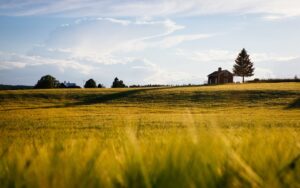
 A good pasture is the foundation of any profitable livestock operation. It provides the forages needed to not only sustain but also allow the livestock to grow. Having enough forages for all of the animals is important to keep your feed costs down to a manageable level. However, keeping a pasture at this level can be a little complicated.
Despite your best efforts, a good pasture can end up going bad on you. We have all seen it before: certain invasive species somehow make it into your pasture and overruns everything. They then choke out the forages that your animals need meaning you will either need to supplement or reduce your numbers. Another thing that can happen is that you start seeing bare spots showing up more and more.
Needless to say, people are not too happy when facing scenarios like this. In fact, people tend to dread it when they think that they will need to renovate their pasture. They think it will require a tremendous amount of amount and equal amount of money to get it back to form. What if I told you there were some ways to do this without breaking the bank? Here are some things to consider before shelling out a lot of money to fix your pasture.
 2023 is right around the corner. With the current year ending, we are drawn to look back and reflect. As the new year approaches it brings with it the promise of things getting better than what we have experienced.
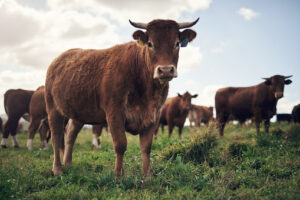 When it comes to the cattle industry there are many myths floating around the internet. Many of these are simply misunderstandings but mostly from a lack of knowledge. One where chocolate milk comes from brown cows is one that immediately comes to mind. Now while some may be innocent there are some that are spread by people with more than malicious intent.
 Education is one of the most valuable resources for anyone. It is also the investment that will pay the highest dividend when used correctly. Books are a very good resource for education. The thing to remember is that though you may no longer be in school education does not end during your life.
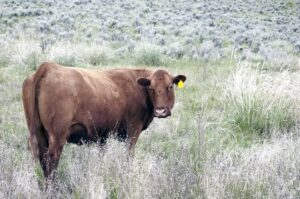 Producers tend to have a love/hate relationship when it comes to supplements. On the one hand, they love how it improves the performance of their cattle but on the other, they hate that it adds to their expenses. It is for this reason that producers tend to not feed supplements unless they absolutely have to.
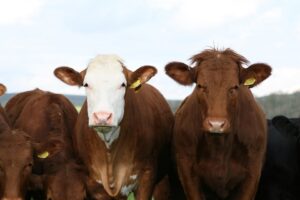 A new year is approaching for the cattle industry. Though we have had our issues this past year, like the drought, new opportunities are bound to return. It may not look like it but there are always positives to be found if you know how to look, even in our yoyo industry.
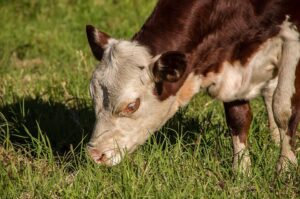 As sure as the turning of the world being in winter means having to buy feed. The reason for that is that during this time forages go dormant and provide less for animals. Though they do not like it producers have to buy supplements to feed their animals during this time.
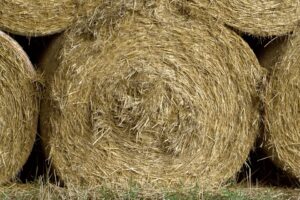 Well, winter is finally here, though here in Texas it doesn’t really feel like it too much. But with this time of year, that means that producers will be putting hay out to feed their animals. Depending on how you get it hay is typically one of the cheaper options when it comes to supplements.
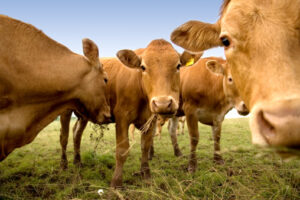 A wheat pasture is a valuable resource for many cattle operations. This plant is a valuable source of high-quality forage when most other forages are low in quantity and quality. The unique climate in areas of the Southern plains, like here in Texas can allow producers to use wheat as both a forage and a grain crop. This can potentially increase the overall profitability of many operations.
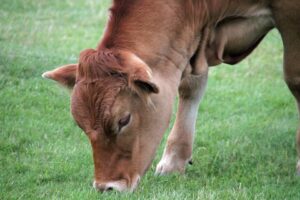 Cattle producers, like any other business, are always looking for ways to reduce costs. As any producer will tell you there is no greater expense than that feed costs. A management tool used quite often to regulate feed intake is using salt. Though it can have some impact regulating feed intake with salt is not precise and will require some tinkering in order to get it right.