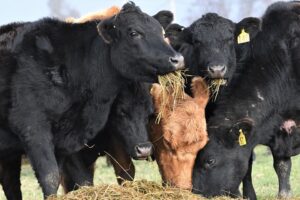
 When people think about tetany they think of something that happens only during the spring. It’s something that usually occurs when cattle are eating lush, spring grass, or annual cereal forages. However, it can also occur when cattle are being fed harvested forages like silage or hay.
Grass tetany is most often paired with cattle grazing immature cool-season grasses or lush annual forages. The thing about it is tetany can also happen during the winter when cattle are being fed hay. This can happen with regular hay, alfalfa hay, or annual forages that have been harvested for hay. It is especially true if the hay is being fed in a dry lot and it is the only source of feed.
For those of you not in the know, you may be asking “What is grass tetany?”, “What kinds of problems can it cause my operation?“, and “How do I treat or even prevent it from happening?“. Well in regard to those questions here are some things that you should consider.
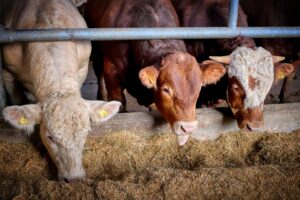 Formulating a ration for cattle is key to any successful beef operation. There are times when forages alone will not supply what the cows need for the stage they are in. When it comes that time you will need to provide a supplement that will fill in the gaps to keep them producing.
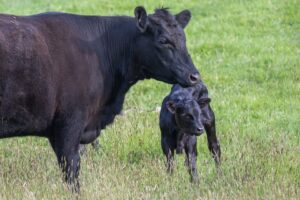 A breeder is a very important part of the future of the cattle industry. The products they make, i.e. calves, can determine the genetic potential of a beef herd. This is why it is vital to do business with a reputable one.
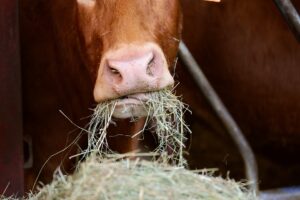 Roughages are an important but often overlooked part of a cow’s diet. Most of the time people only focus on things like crude protein, energy, and mineral content. While those are vital for the overall production of cattle roughages play just an as important role. Consuming a certain amount of roughage is important to keep the rumen functioning in allowing the digestion of things like protein, energy, and minerals.
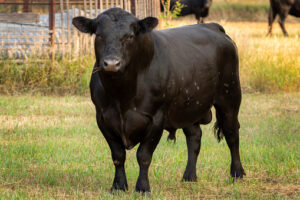 The bull in your herd needs just as much care and attention during this time of year as your cows. You must take steps during this time to make sure that they are ready for the next breeding season. It is always a good idea to get started now so you will have plenty of time to make adjustments.
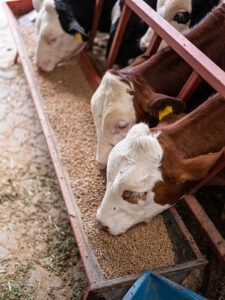 Dietary minerals are necessary for optimal growth and reproduction. The amount needed depends on forage mineral content. the age of the animal, and the stage of production. Just knowing what the cow requires is only 1 component in evaluating its mineral status. Even the soil type, fertilizer used, and rainfall can affect what mineral is available at a certain time.
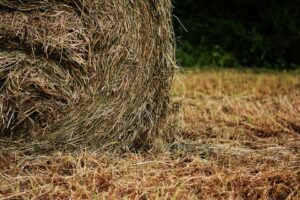 Hay is a very important part of any winter feeding program. It is used to supplement cattle’s nutritional needs when forages become dormant. However, when it comes to feeding harvested forages you need to know what you have in order to know what to feed.
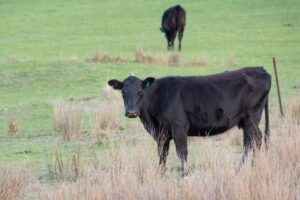 Deciding which cows to cull is not an easy task for most producers. Sometimes their personal feelings about that particular animal get in the way. There are even sometimes they do not even know which ones are underperforming and which ones need to be kept.
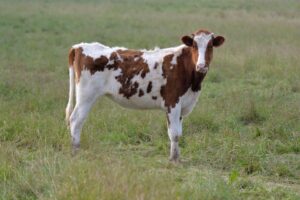 Heifer development can be one of the most challenging yet also rewarding tasks that can occur on the ranch. The very basis of your future depends on your ability to develop the young heifers into productive mothers. But these challenges do not come without problems.
 Grazing management in the fall can have an impact on your future forage production. The intensity of your grazing animals determines what state they will be in. Also, grazing during the winter may be limited depending on what forages you have available.