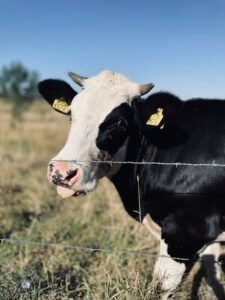
 Do you need miles of fencing and a big budget to implement rotational grazing? Think again. If you’re raising cattle in a dry climate like West Texas, you know how valuable every blade of grass is. Forage doesn’t grow fast out here, and overgrazing can wear down your pastures before you know it. That’s where rotational grazing comes in—it’s a simple but powerful way to stretch your forage, improve soil health, and keep your cattle in better condition.
The best part? You don’t need fancy infrastructure or permanent fencing to make it work.
In this post, we will walk you through how to set up a rotational grazing system using affordable, low-hassle tools—think temporary electric fencing, step-in posts, and some strategy. We’ll talk about how long to leave your cattle on a section, how to let pastures recover, and what to look for as you move them.
Whether you’re new to ranching or just trying to get more out of the land you’ve got, rotational grazing is one of the smartest moves you can make. It helps your grass bounce back quicker, spreads manure more evenly, and gives your herd access to cleaner, more nutritious feed. The benefits for your land and livestock can be huge, and the best part is that you can achieve all this without a significant investment in infrastructure or resources.
Don’t let cost or complexity stop you. You can make rotational grazing work on almost any scale with the right approach. Let’s dive in and show you how.
 When you ranch in a dry climate like West Texas, keeping your pastures green and your herd fed through the summer can feel like a constant uphill battle. The sun’s blazing, the rain clouds seem to forget you exist, and the grass you do have is stressed and struggling. And stressed forage leads to stressed, underperforming livestock — which is the last thing any rancher needs.
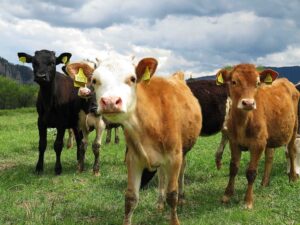 If you’ve spent more than five minutes outside in a West Texas summer, you already know — that the sun doesn’t play nice. It’s hot, relentless, and doesn’t let up. Now picture being out there in that blazing heat… wearing a thick fur coat… weighing close to 200 pounds… and only being a few weeks old.
 Nobody wants to walk out to the pasture and see a sick cow. Cattle diseases don’t just hurt the animal—they can slow down your whole operation and hit your wallet harder than expected. Sick animals may eat less, grow slower, or lose condition, and treating them takes time and money you probably hadn’t planned on spending. The good news? Many common issues can be spotted early and dealt with before they turn into big problems.
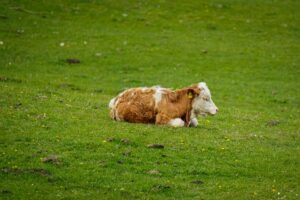 Breeding season prep isn’t just another thing on your to-do list—it’s one of the most essential parts of your ranch’s success. For cow/calf producers, the steps you take before the season starts can make or break your calf crop. At the end of the day, it’s those good-quality calves that bring in the income and keep your operation moving forward. A healthy, consistent calf crop isn’t luck—it results from solid planning and management.
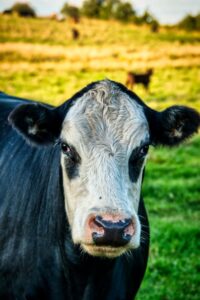 If you’ve been running cattle for a while, you already know there’s more to grazing than just turning animals out onto pasture and hoping for the best. Measuring how much forage your livestock are actually eating is a big deal—it’s the starting point for making smart decisions about their nutrition and overall care. You can measure forage intake by using tools like grazing sticks or by observing the forage height before and after grazing. When you know what they’re consuming, you can better plan your grazing rotations, understand how much feed (if any) you need to supplement, and keep your herd in good shape year-round.
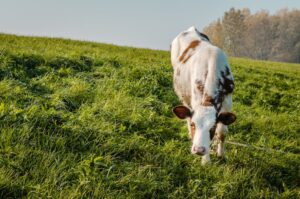 Cedar—more accurately called juniper—can be a real headache to deal with. It’s not just a scraggly-looking tree; it’s an aggressive woody plant that loves to spread. Around here in Texas, and in many other places too, it’s known for taking over pastures if left alone. It creeps in fast, crowding out the grasses your livestock need. Before you know it, your beautiful open pasture starts to look more like a forest—and not the kind that’s doing you any favors.
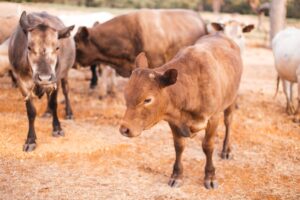 Our minds usually focus on protein and energy when we think about cattle nutrition. Those are important, sure—but minerals often get left out of the conversation. The truth is that using a mineral supplement is one of the most important (and most overlooked) parts of good cattle management. Minerals might not be needed in large amounts. Still, they play a significant role in your herd’s overall health, reproduction, and performance. Think of them like the tiny tools in a big toolbox—they may be small, but the whole system doesn’t work right without them.
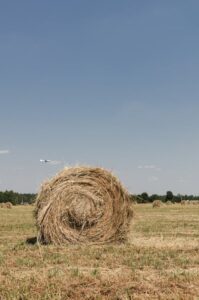 Using hay bales as a supplement for your cattle is a time-tested approach that many producers rely on. It’s often more affordable than other feed options, making it an attractive choice for keeping costs down. However, not all hay is created equal—factors like how it was harvested and stored and even the type of forage used can significantly affect its nutritional value. Just because a bale looks good on the outside doesn’t mean it’s providing the nutrients your herd needs. A closer look at what you’re getting can make a big difference in the long run.
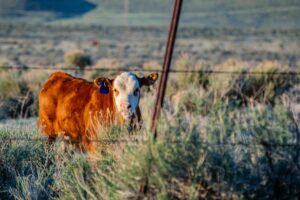 If there’s one thing every livestock owner knows, it’s that a fence isn’t optional—it’s a necessity. Whether you’re raising cattle, sheep, horses, or goats, a good fence is the first line of defense in keeping your animals where they belong. Without one, you risk them wandering off, getting injured, or even causing accidents. Just as important, a well-built fence helps keep predators out, protecting your animals from threats like coyotes or stray dogs. Simply put, a strong, reliable fence is one of the best investments you can make for your operation.