 Internal parasites are one of those hidden problems that every beef producer has to deal with. You might not always see them, but they’re constantly working behind the scenes—dragging down productivity, health, and profits. These parasites increase maintenance energy requirements, mess with nutrient absorption, and keep the immune system working overtime. All of that adds up to lost performance.
It’s easy to underestimate just how much internal parasites can cost you. But here’s the exciting part—if you run a 100-cow operation, you could be losing over $10,000 a year just from the effects of parasites. That’s not pocket change. The good news? Research shows that effective deworming programs can bump up weaning weights by over 30 pounds and improve pregnancy rates by more than 10%. That kind of gain adds up fast and goes straight to your bottom line, boosting your herd’s profitability and your optimism about the future.
But it’s not just about grabbing any dewormer off the shelf and calling it good. Timing and strategy are everything. Using the right product at the right time makes all the difference—and helps prevent parasite resistance from building up in your herd.
So, when you’re planning your deworming program, think about more than just convenience. Consider the parasites most active in your area, when your cattle are most susceptible, and whether your current treatment remains effective. A little extra planning can go a long way in keeping your herd healthier and your operation more profitable.
 Water, often overlooked in its simplicity, is a fundamental necessity for raising healthy, productive cattle. It is not just important but absolutely essential for every aspect of their daily functions, from growth and reproduction to milk production and digestion. Without sufficient clean water, your herd’s performance will be compromised.
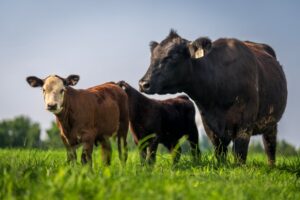 Summer pneumonia, sometimes referred to as pasture pneumonia, tends to develop late in the season for producers. It usually hits calves that are still on pasture and haven’t been weaned yet—typically between one and five months old. The frustrating part? It often affects calves that look perfectly healthy one day and are sick the next.
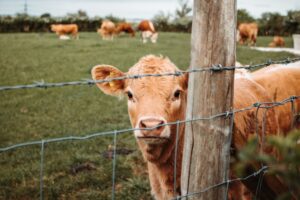 As a rancher, you’re the driving force behind the weaning process—and how it goes depends mainly on you. Weaning is when you start to see the results of all your hard work, from your breeding program to your daily care. But even now, the question remains: will this weaning season be a success? That answer lies in your hands.
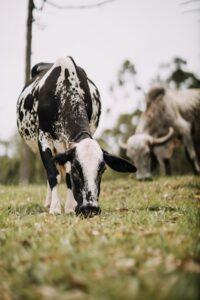 Feeding supplements are a reality in any cattle operation—but let’s be honest, it’s not something most of us enjoy spending money on. Feed costs can take up a considerable part of your annual budget, sometimes more than any other expense. In tough years, especially during droughts, feed alone can account for as much as 70% of your total operating costs.
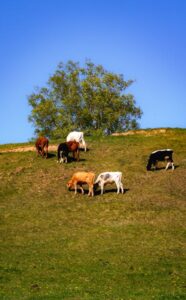 When that West Texas sun starts cooking the ground, and the temps soar past 100 degrees, it’s not just miserable for you—it’s brutal for your cattle, too. Imagine standing out in the middle of a pasture all day, wrapped in a leather jacket, with no breeze, no shade, and no cold drink in sight. That’s what your cows are dealing with during a summer heatwave.
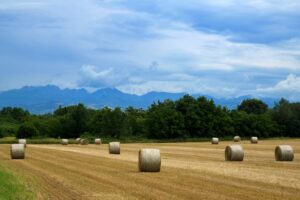 In West Texas, cutting hay isn’t as simple as just hopping on a tractor and mowing down a field. For our experienced cattle producers and livestock growers, it’s part science, part instinct—and a whole lot of timing. It’s about reading your grass, keeping an eye on the sky, and knowing when your window of opportunity is about to swing open… or slam shut.
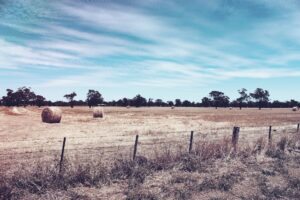 When it comes to raising cattle, the correct storage of hay isn’t just a beneficial practice—it’s an absolute necessity, especially during the winter months when pastures go dormant and natural forage is scarce. In 2023 alone, over 4.6 million acres of hay were harvested in Texas, underscoring the vital role of hay in maintaining smooth livestock operations. However, the challenge lies not just in growing or buying hay, but in storing it correctly. Failure to do so could mean a significant loss of your investment.
 If you’ve been around cattle producers lately, you’ve probably heard more folks talking about protein tubs—for good reason. These self-fed supplements are becoming a go-to solution for operations, big and small. Why? Because they’re simple, efficient, and save you time. Just set them out in the pasture, and your cattle help themselves—no daily mixing, measuring, or hauling feed—just more time back in your day.
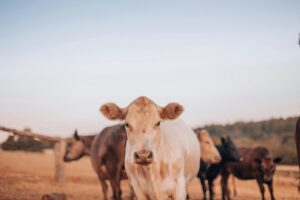 When it comes to mineral supplements for cattle, the focus often lands on spring and fall, and for good reason. These seasons bring significant demands on your herd, whether it’s calving or preparing for winter. However, it’s crucial to remember that your cattle’s mineral needs are a year-round affair. If you’re not attentive during the summer, you could be overlooking a vital aspect of their care.