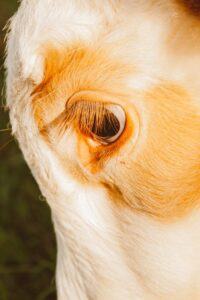
 Pinkeye, a highly contagious disease in cattle, can spread rapidly if not promptly addressed. This bacterial infection, which primarily affects the eyes, can lead to irritation, excessive tearing, and in severe cases, blindness. Given its mode of transmission through direct contact and flies, an outbreak can swiftly engulf an entire herd. Therefore, early detection and immediate action are crucial, as managing it becomes significantly more challenging once it takes hold.
While pinkeye can strike at any time, it often follows a seasonal pattern. Cases typically surge in the spring, peak during the hot summer months, and gradually subside by fall. This pattern is a result of the bacteria’s preference for warm, moist conditions and the environmental factors that contribute to pinkeye, such as dust, tall grasses, and an increase in face flies, which are more prevalent in the warmer months. Cattle with lighter-colored eyes, like Herefords and Charolais, are particularly at risk due to their sensitivity to sunlight, making pinkeye a significant concern during bright, sunny days. Understanding this seasonal pattern can help cattle owners prepare and take preventive measures in advance.
Once pinkeye sets in, treatment can be time-consuming and labor-intensive, requiring careful monitoring and medical intervention. Even mild cases can quickly escalate, so isolating infected cattle is crucial to prevent further spread. Quarantining affected animals not only protects the rest of the herd but also gives the infected cattle a better chance at healing without reinfection. The earlier you catch and treat pinkeye, the better the outcome—not just for the individual cow but for your entire operation.
 Sulfur salt blocks have sparked plenty of debate among cattle producers. Some ranchers swear by them, believing they offer real benefits to their herd. In contrast, others argue they’re nothing more than an unnecessary expense. With so much conflicting information out there, it’s easy to see why the topic can be confusing. Do sulfur blocks truly help cattle, or are they just another product that sounds good in theory but doesn’t deliver? Making the best decision helps to take a closer look at what they actually do—and what they don’t.
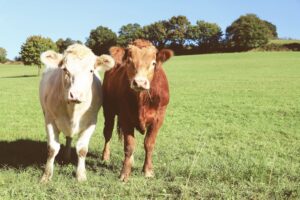 Fertilizer prices have been on a steady climb for decades, but the past few years have seen some of the sharpest increases yet. Take nitrogen fertilizer, for example—it has doubled in price in just the last two years. Unfortunately, there’s no sign that things will get better anytime soon. With costs continuing to rise, ranchers and forage producers need to be smart about how they manage fertilizer use to keep their operations profitable. Simply put, wasting fertilizer means wasting money.
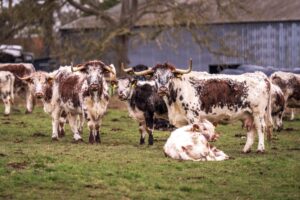 Bovine Leukemia Virus (BLV) could be lurking in your herd right now—and you wouldn’t even know it. This silent disease is already costing the cattle industry millions, especially in dairy herds. While it often flies under the radar, BLV can have a profound financial impact, leading to lost production, higher vet bills, and the need to replace affected animals. Even if your cattle look healthy, the virus could still spread, putting your operation at risk.
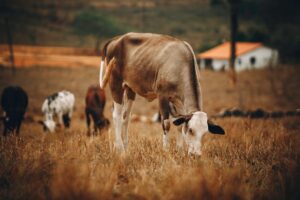 Feed costs are the single most significant expense for any cattle producer, often making up as much as half of the total annual costs. These expenses can fluctuate dramatically depending on the season and forage conditions. In drought situations, feed costs can even climb to 70% of the total yearly expenditure, posing a real challenge for ranchers.
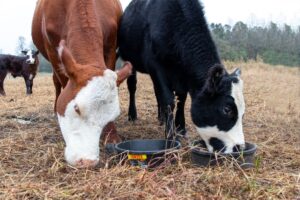 Mineral supplementation is not just a routine task in a cattle operation but a crucial element that directly impacts the health and productivity of your herd. These minerals are the building blocks for growth, reproduction, and basic maintenance. Without them, your cattle won’t perform at their best. Even the highest quality forages can only provide part of the nutrient profile your animals need. That’s why a consistent, year-round mineral supplement is a must.
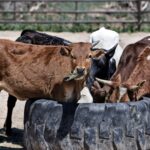 Providing a feed supplement to grazing cattle is essential because sometimes the natural forage just isn’t enough to meet their nutritional needs. When pasture grasses fall short, supplements help fill in the gaps so your animals can stay healthy and productive. With so many options available, it’s essential to choose the right supplement for your herd and avoid wasting resources on one that doesn’t work.
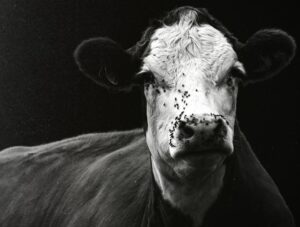 Controlling flies on your cattle is one of those frustrating challenges that can make you feel like you’re in an endless battle. No matter what you try, those pesky insects keep returning year after year. It’s like they’ve got a personal vendetta against your herd, making it seem almost impossible to get them under control.
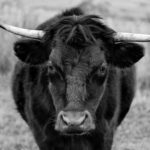 Breeding season is the heartbeat of any successful ranch. It’s the time when you hope to bring in a new calf crop that keeps your operation thriving year after year. To achieve this, you’ll want to ensure that nearly every cow in your herd—at least 90%—gets bred, setting the stage for a robust future.
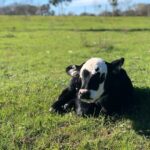 Calf dehydration is a serious problem that often sneaks up on producers. It’s easy to overlook until it becomes critical, but by then, the damage may already be done. The most common culprits are scorching summer heat and scours, both of which can strip a calf of fluids fast. The key to saving a dehydrated calf is spotting the signs early and acting quickly.