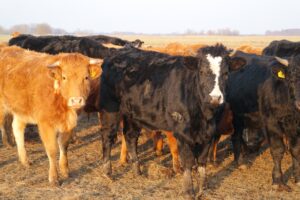
 Salt isn’t just a seasoning for your dinner—it’s a vital nutrient that cattle need to survive and thrive. Just like in humans, salt plays a crucial role in keeping a cow’s body running smoothly. From digestion to muscle function, even the most basic bodily processes depend on it. Without enough salt, cattle can suffer health issues affecting their growth, reproduction, and overall well-being. Simply put, salt isn’t optional—it’s essential.
It’s genuinely fascinating that cows, like humans, have a natural instinct to seek out salt. Unlike other minerals that they may be lacking without realizing it, cattle actually crave salt. They will go looking for it if it’s not readily available. If they can’t find it in their feed or supplements, they’ll resort to licking tree bark, eating dirt, or even consuming urine in an attempt to get what their bodies need. This strong desire for salt makes it one of the easiest minerals to supplement—because if you provide it, they’ll eat it without hesitation.
More than just satisfying a craving, salt plays a direct role in keeping cattle healthy and productive. It supports milk production, making it critical for nursing cows and their calves. It also helps regulate blood flow, aids reproduction and even plays a part in sweating, which is how cattle naturally cool themselves down. Without enough salt in their diet, cows can struggle with fertility issues, reduced milk output, and overall poor performance. Ensuring they have a steady, accessible source of salt is a simple yet powerful way to keep your herd in top shape.
 Spring is just around the corner, which means rising temperatures and the return of fresh green grass. But don’t wait for the warm weather to hit before you start thinking about pasture management—it’s crucial to get a head start now. By preparing early, you’ll have time to plan and gather what you need to ensure a successful season.
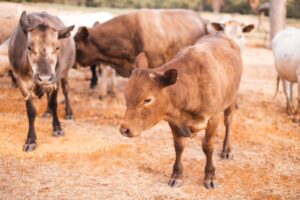 When it comes to feeding cattle, most people focus on protein, energy, and minerals, but roughages are just as important. They are a crucial component in ensuring a balanced diet for cattle. Without enough roughage, a cow’s digestive system—specifically the rumen—can’t function properly. Roughages help break down food and allow cattle to absorb the nutrients they need to stay healthy and productive. Simply put, they’re the foundation of a well-balanced diet.
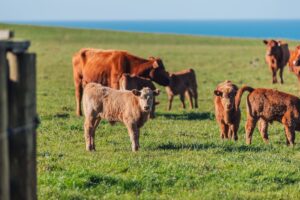 Creep feeding can be a powerful tool to boost the weaning weight of your calves, potentially translating into increased profits when it’s time to sell. However, it’s crucial to weigh the pros and cons before implementing this strategy. While it’s not a one-size-fits-all solution, when used effectively, it can significantly enhance your bottom line.
 Mesquite trees are like that one neighbor who has some great qualities but tends to overstay their welcome. They’re best known for providing incredible BBQ wood, making them a favorite for pitmasters everywhere. But beyond the grill, they can be a real nuisance for ranchers and range managers. Left unchecked, Mesquite has a knack for taking over pastures, creating more problems than benefits for those trying to manage their land effectively.
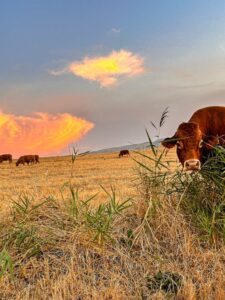 Salt blocks come in a variety of colors, and each one serves a specific purpose. A quick trip to your local feed store will show you options like white, yellow, red, and even blue blocks. These colors aren’t just random—they tell you what nutrients are in the block and what it’s meant for. For example, a yellow sulfur block is designed to help with pest issues. In contrast, a basic white salt block provides only sodium.
 Spring weather might feel like a distant dream right now, but it’s just around the corner. Before long, the ice and snow will melt away (if you get any), and your pastures will come alive with lush green forages. This seasonal shift is a welcome sight for many, signaling new growth and fresh grazing opportunities for your herd. But lurking behind all that greenery is a hidden danger. This silent threat can strike quickly and severely impact your cows’ health and production. This threat is called grass tetany.
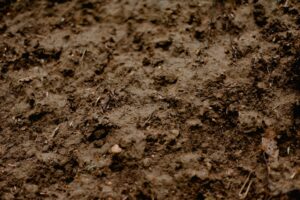 Have you ever wondered if your pasture is working as hard as possible? A soil test is like getting a health check-up for your land—it reveals what nutrients are in the soil and how much of them are available. Think of it as the starting point for improving your pasture’s output. Without it, you’re just guessing and hoping for the best, which can waste time and money. But with the
  Replacement heifers are the backbone of a successful and profitable ranching operation. Over time, breeding stock needs to be rotated out to maintain a strong genetic pool and ensure your herd’s overall health and productivity. Plus, as cows age, they eventually reach a point where they can no longer breed, leaving gaps in your operation. Having a reliable supply of replacement heifers ready to step in is essential to keep things running smoothly and avoid any disruptions to your breeding program.
 Knowing when to step in and help during calving can feel like walking a tightrope—it’s all about timing. Act too soon, and you might be stepping in when nature could have handled things on its own. But wait too long, and you risk running into serious problems that could cost both the calf and the cow their lives. Finding that perfect middle ground takes practice, a good eye, and sometimes a bit of luck. For many ranchers, it’s one of the trickiest parts of calving season.