 Feed tags are a goldmine of information, but let’s be honest—not many people take the time to really dig into them. Sure, you might glance at the crude protein or energy content, but that’s usually where the curiosity ends. And who could blame you? With all those numbers and technical terms, feed tags can feel a little like trying to read a foreign language. But trust me, there’s a lot more to these tags than meets the eye, and understanding them can make a big difference for your animals.
Every bag of feed comes with a small but mighty tag attached. This tag is not just for show, it’s your go-to guide for your animals’ nutrition. It conveniently houses all the crucial details you need, from the product’s weight to a guaranteed analysis of nutrients, a list of ingredients, and feeding instructions. Even if the physical tag gets lost, many feed companies post this information on their websites, ensuring you’re always prepared to make the most of your feed.
At first glance, feed tags can seem like a daunting puzzle. The percentages and ingredient names might make you feel like you need a degree to understand them. But fear not, it’s not as complicated as it appears. The information is usually straightforward once you know what to look for. I’m here to guide you through each section of the feed tag, making it easy to understand and empowering you to make better feeding decisions for your animals. Let’s dive in and demystify feed tags together!
 Calf scours is a challenge that keeps cow/calf producers on edge, and for good reason. It’s the leading cause of financial loss in herds, hitting harder than any other health problem. What makes it so worrisome is how quickly it can show up and spread, much like wildfire sweeping through dry grass. To make matters worse, calf scours can be a bit of a puzzle, leaving many producers scratching their heads about what exactly they’re dealing with.
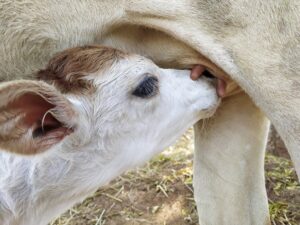 For a newborn calf, colostrum isn’t just important—it’s critical. This first milk from the mother provides essential antibodies that help calves build their immune systems and fight off disease. Without it, their health and well-being can be compromised for the rest of their lives. A calf that doesn’t receive colostrum has a significantly higher risk of infections and diseases and may even have a shorter lifespan. But what happens when a calf doesn’t get colostrum from its mother? Whether it’s because the dam can’t produce enough or the calf isn’t nursing, you’ll need a backup plan to give that calf the best start possible.
 A healthy pasture is the backbone of a successful livestock operation—it provides the food that keeps your animals strong and growing. Plus, when your pasture is in good shape, it takes a big load off your wallet by cutting down on feed costs. But let’s face it: even the best pastures can hit a rough patch, and when they do, it can leave you scratching your head, wondering where even to start. Remember, patience is key in pasture management, and with the right approach, you can regain control.
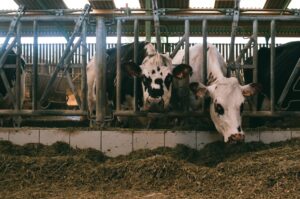 When it comes to raising healthy, productive cattle, the saying “
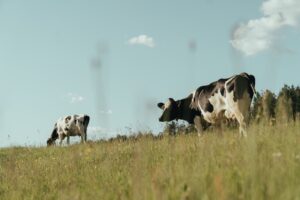 Regarding supplements, most cattle producers have a love/hate relationship. On the one hand, they see the value in how supplements improve cattle performance, but on the other hand, they cringe at the extra costs they bring. It’s why many producers hold off on feeding supplements unless absolutely necessary. But here’s the thing—viewing supplements as an investment rather than just another expense can actually save you money in the long run. With the right approach, supplements can boost herd health, improve performance, and ultimately increase your profits when it’s time to sell. This strategic view of supplements as an investment, not just an expense, can significantly affect your herd management and financial outcomes, making you feel financially savvy and strategic.
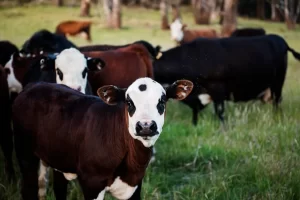 As the new year approaches, it’s an excellent time to take a step back and look at where we are in the cattle industry. Sure, this past year brought its share of challenges—like the ups and downs of the market—but there’s always room for hope. Opportunities don’t just disappear; they shift, and sometimes it takes a fresh perspective to find them. Even in an industry as unpredictable as ours, there are always positives to uncover if you know where to look.
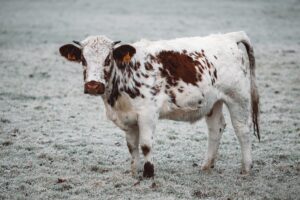 Winter brings a unique set of challenges for livestock producers. As temperatures drop, pastures go dormant, leaving forages unable to meet the nutritional demands of your animals. This challenge means purchasing supplemental feed becomes necessary, but with feed prices often climbing this season, balancing animal health and budget concerns can feel like walking a tightrope.
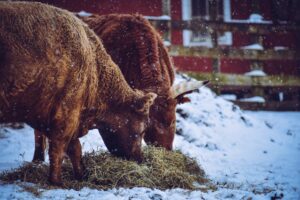 As winter sets
 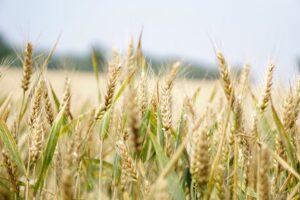 Wheat pastures are a treasure trove for cattle operations, particularly in regions like Texas, where the climate allows producers to extend grazing seasons and optimize land use. Wheat, with its high-quality forage and dual purpose as a grain crop, is a boon for profitability, supporting both grazing and grain production. This versatile crop is a smart strategy to maximize your pasture, keeping costs in check while providing cattle with essential nutrition.