 When it comes to managing cattle, you might not think of salt as a big deal—but it’s actually one of the most essential tools in a rancher’s toolkit. Like us, cattle need salt for crucial body functions, from digestion to muscle movement. Without enough salt, cattle can experience health issues affecting their growth and productivity, which is why salt management plays a crucial role in keeping herds healthy.
Consider salt a ‘cattle magnet‘—cows are naturally drawn to it and actively seek it out, even if it means munching on tree bark or licking dirt. This natural behavior not only connects us to the animals we care for but also presents an opportunity for producers. Salt can be used to encourage cattle to eat other essential minerals or supplements they might otherwise ignore. In this way, managing salt intake becomes a clever strategy for regulating what and how much cattle consume, saving on feed costs, and supporting balanced nutrition.
But while salt can be a handy management tool, it’s not a one-size-fits-all solution. The right amount of salt varies based on factors like age, diet, and stage of production, and too much salt without water access can lead to problems. In this guide, we’ll cover why salt is so essential, how to manage it safely, and how it fits into the big picture of healthy, productive cattle.
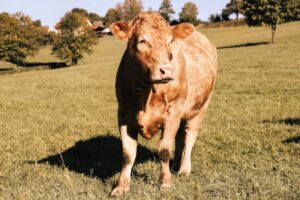 When people hear ‘grass tetany,’ they usually think of spring – lush grasses, green pastures, and cows grazing happily. But tetany can sneak up on you even in winter when you feed your cows hay or silage. However, it can also happen when cattle are fed harvested forages like silage or hay.
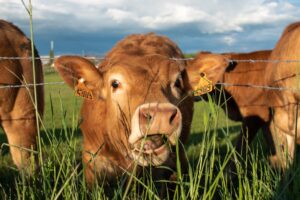 Formulating a ration for cattle is critical to any successful beef operation. There are times when forages alone will not supply what the cows need for their stage. When it comes that time, you will need to provide a supplement
  A good breeder plays a crucial role in shaping the cattle industry’s future. The calves they produce can significantly influence the genetic potential of your herd. This genetic foundation is why choosing a reputable breeder is essential; the quality of their stock will directly impact your herd’s performance and success.
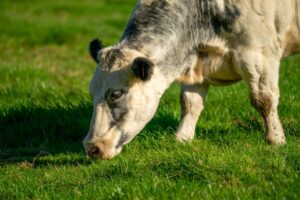 Roughages, often overlooked but crucial, are an essential part of a cow’s diet. While the focus is usually on crude protein, energy, and mineral content, understanding the role of roughages is equally essential. A certain amount of roughage is necessary to keep the rumen functioning and aid in the digestion of protein, energy, and minerals, contributing significantly to cattle’s overall health and production. This knowledge empowers you, the reader, to make informed decisions about your cattle’s nutrition.
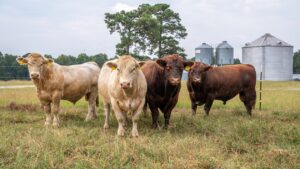 As the breeding season concludes, it’s crucial to understand that the bulls’ work is far from over. The off-season is a pivotal time for their care, as it significantly influences their performance in the upcoming breeding season. Similar to athletes post-competition, bulls require a period of recovery and conditioning. Neglecting their care during this time could adversely affect your next calf crop.
 Minerals
 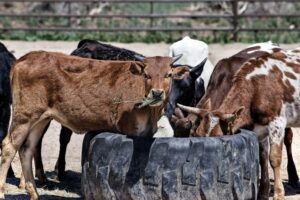 Hay is one of the most essential parts of keeping your cattle healthy through the winter. When the grass goes dormant, hay steps in to provide the nutrition they need. But before you can even think about feeding, you’ve got to understand what’s in the hay you’re offering.
 Deciding which cows to cull is a challenging task for most producers. Sometimes, their personal feelings about that particular animal get in the way. Sometimes, they don’t even know which ones are under-performing and which ones need to be kept.
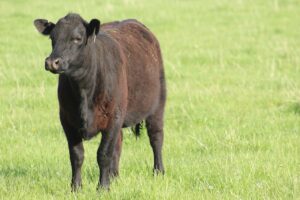 Heifer development, while challenging, is a rewarding task that shapes the future of your herd. The transformation of young heifers into productive mothers is a process that, with careful planning and management, can lead to long-term success. Every decision, from nutrition to breeding, has a lasting impact on the productivity of your herd, instilling a sense of optimism and motivation for the future.