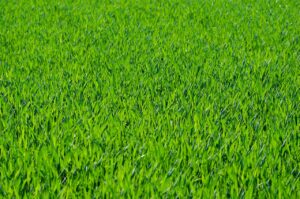
 Winter grazing management can have an impact on your future forage production. The intensity of your grazing animals determines what state they will be in. Also, grazing during the winter may be limited depending on what forages you have available.
Feeding during the winter is one of the most significant expenses for a livestock producer. Supplements have always been a little pricey, especially with low crop production. With the intense drought we have experienced across most of the country, hay has also become expensive, if you can find any.
However, with careful planning, grazing during this time is not only possible but can also be cost-effective. Strategies like stockpiling forages for winter use can help you manage your costs. And what about in the spring? You can take proactive steps during this time to ensure that you have healthy grasses come the next growing season.
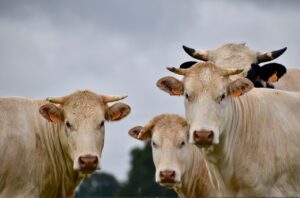 It may not seem like it now, but winter is coming. The change in seasons also brings new problems to deal with to keep your cattle performing at their best. Keeping your cattle healthy during the stress of colder winter temperatures can be a pain in the neck. It is also doable.
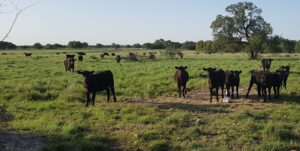 Protein supplements are often needed during the fall and winter months. This need is because, during this time, most of your tame pasture forages go into dormancy. When this happens, things like their protein content will go down.
 As the days grow
  Nutrition significantly affects your herd’s health during the cold winter months. Producers should plan ahead for their fall and winter forages to meet this need. There are many factors to consider when figuring out how much hay will be needed.
 Nutrition is essential year-round. Everything hinges on the cow’s nutritional needs being met, from putting on weight for the market to reentering the reproduction cycle. However, meeting these demands can be complicated.
 What is the proper strategy for heifer development for my cowherd?
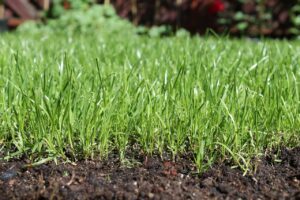 Soil testing, often overlooked, is
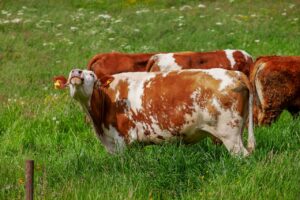 Winter can be a challenging season for cattle, but with the proper preparation, you can keep your herd healthy and thriving. As the cold months approach, it’s crucial to plan for everything from proper nutrition to shelter. By taking proactive steps today, you can avoid costly problems and ensure your cattle make it through winter in top condition. Now, let’s delve into what you must do to set your herd up for success.
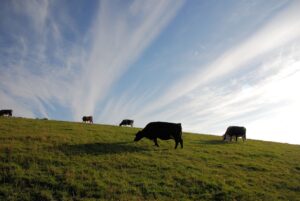 The fall season can be problematic for a beef producer. As you go into it after a dry, hot summer, the entire herd may be stressed. The combination of high heat, short grass, and low water tanks can stress cattle and make them more prone to disease.