 Early pregnancy detection is a powerful tool for increasing profits in your herd. As a producer, knowing early if your replacement heifers or cows are bred can save you a significant amount of money by preventing the wastage of supplements for non-producing cows.
While it may not seem like it, the cold nights of calving season will be here before you know it. Now is the time to start preparing for the arrival of the 2025 calf crop. September is a good month for pregnancy testing your cow herd. Finding out which cows are pregnant and which are not will keep you from feeding a cow all winter, only to find out she will not provide a calf.
Understanding the two categories of pregnancy detection tests, direct and indirect, empowers you to make the best choice for your needs. Whether it’s feeling or seeing the pregnancy directly or using chemical markers like blood tests, the decision is in your hands.
 Understanding shrinkage is a
 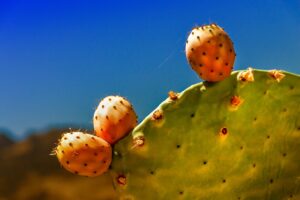 Prickly pear, along with other cactus species, is a pressing issue in pastures. The proliferation of these cacti can impede livestock movement and pose serious health risks.
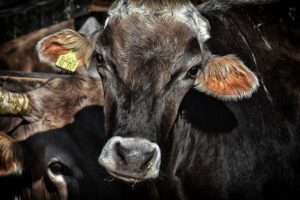 BRD, or bovine respiratory disease, is a general term for any respiratory disease in cattle. A range of factors can cause this disease. The common names usually used for this disease are pneumonia or shipping fever. Stocker and feedlot operations are often where this disease occurs. It occurs more often there because of the extreme stress that calves are put under from weaning and then being shipped.
 With fall and cooler weather right around the corner, it’s essential to give your cows their best chance going into winter. Good winter management practices contribute to healthy and productive cattle and keep feed costs reasonable.
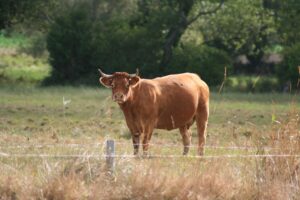 It’s hard to believe that we are almost to September, which means that summer is almost over. The temperatures will be getting cooler (
 Though the weather may not feel like it, temps are still in the 100s with no end in sight here; the fall season is almost upon us. The soon-to-be-changing weather reminds us of the changing season. Along with a new season comes a further need for supplementation for your pasture cattle. But did you know there is a way to use hay to improve your efficiency?
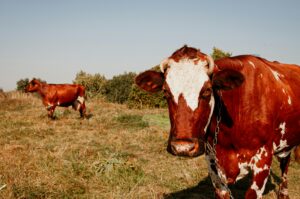 Despite the time and equipment costs, growing your own feed can be a powerful strategy. It allows you to maintain an inventory, reducing the risk of short supplies and protecting you from seasonal price fluctuations. Moreover, it empowers you to tailor energy and protein production to match your herd’s feed requirements, giving you a strong sense of control and confidence in your operations.
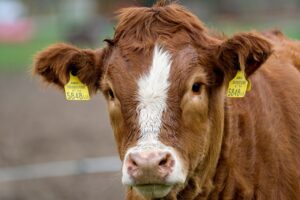 Weaning is one of the most critical times for cattle producers. It is a period when all their hard work begins to pay off with an excellent large calf crop. This challenging yet promising time assures long-term benefits and a thriving herd, instilling a sense of optimism and motivation in cattle producers.
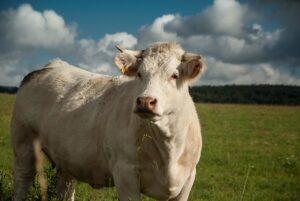 Introducing protein tubs into your pasture is a convenient way to provide additional nutrition. Once it’s in place, you don’t need to check it daily, which is particularly beneficial for those with other commitments, such as a job in town, who can’t be on the ranch daily.